Aluminum profile is one of the most versatile semi-finished products in modern industry. Combining light weight, high strength, natural corrosion resistance, and near-unlimited shaping possibilities through extrusion, aluminum profile has become indispensable across sectors ranging from construction to electronics. In this article, we take a detailed look at where aluminum profile is used today and why it is increasingly replacing traditional materials like steel and wood.
What Makes Aluminum Profile So Versatile?
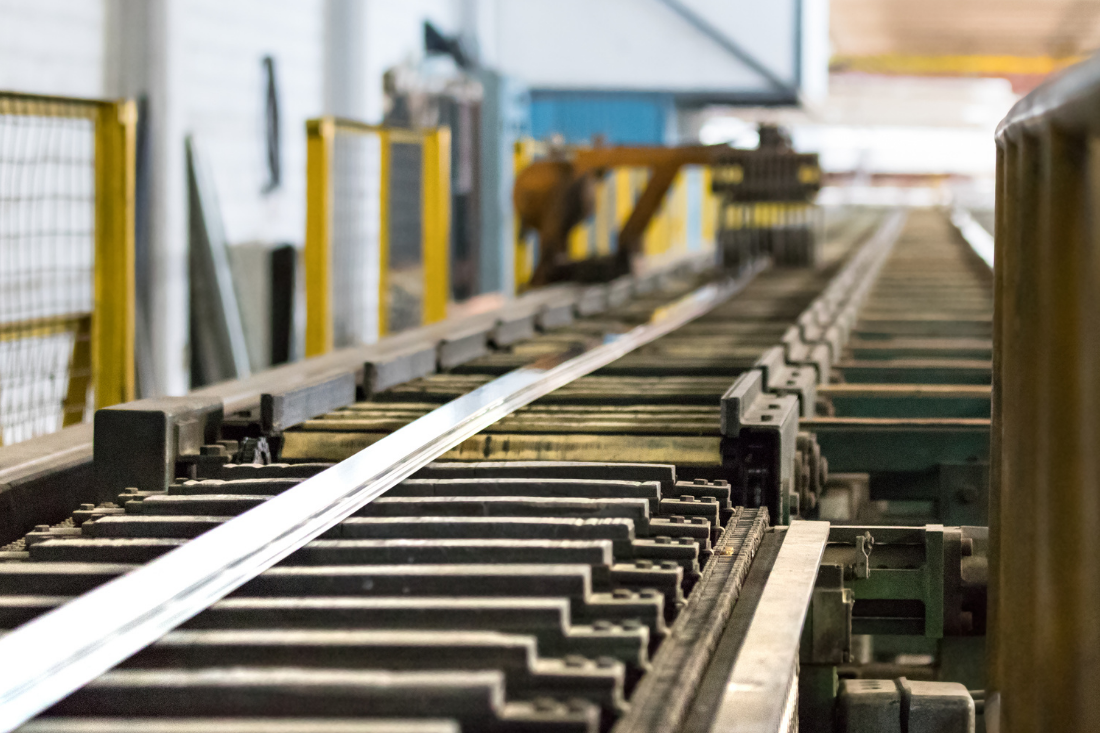
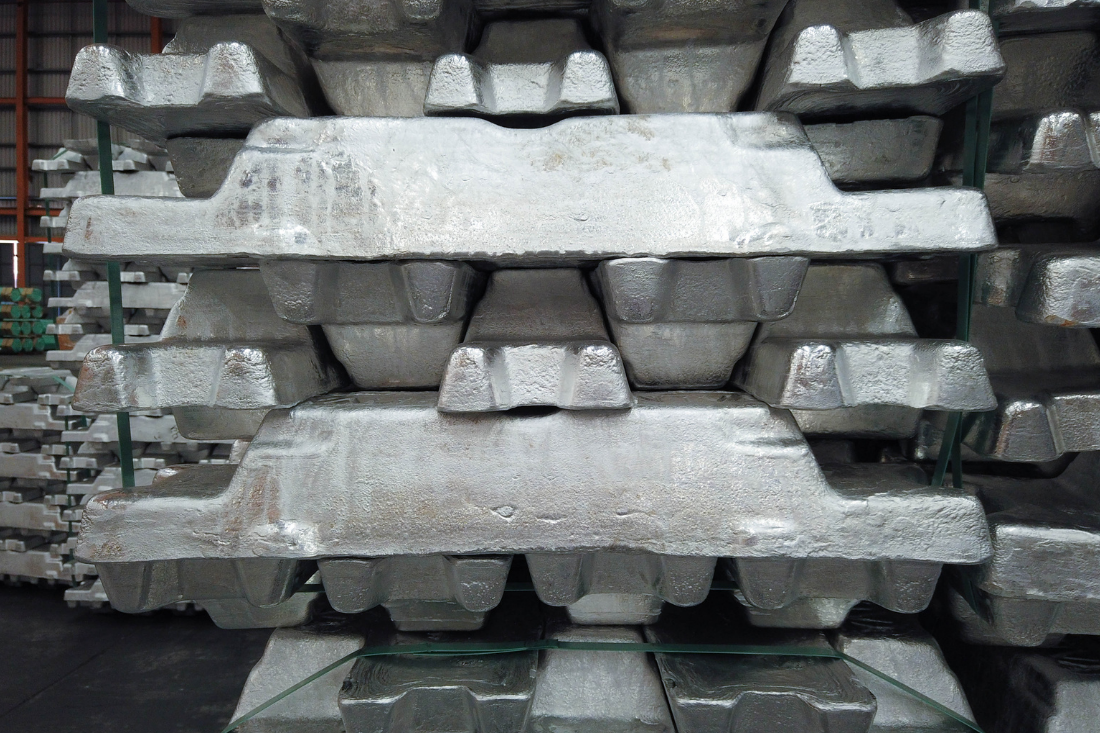
An aluminum profile is produced through extrusion: aluminum billets are heated and pushed under high pressure through a die, allowing almost any cross-sectional shape to be created. This process enables complex, functional geometries that would be difficult to achieve economically with other metals. An aluminum profile weighs roughly a third of a comparable steel profile, yet modern alloys give it impressive strength. On top of that, the natural oxide layer that forms on its surface protects aluminum profile from corrosion without requiring additional coating.
Aluminum Profile in Construction
The construction industry is one of the largest consumers of aluminum profile. Window and door systems made from aluminum profile offer slim frames, high rigidity, and excellent thermal performance when thermally broken. Curtain wall systems, facade cladding, and conservatories are almost exclusively built with aluminum profile, since it can support large glass surfaces with minimal material use. Aluminum profile is also widely used in roofing systems, railings, partition wall systems, and interior architecture, where it serves both functional and aesthetic purposes.
Aluminum Profile in Furniture and Interior Design
Beyond construction, aluminum profile plays a major role in furniture design. Cabinet handles, sliding door systems, shelving structures, and exhibition stands are frequently manufactured from aluminum profile, since profiles can be easily cut, joined, and finished with various surface treatments such as anodizing, powder coating, or brushing. For furniture manufacturers, the great advantage of aluminum profile is that the same base profile can support both mass production and custom-made pieces.
Aluminum Profile in the Automotive and Transportation Industry
The automotive industry is increasingly turning to aluminum profile to reduce vehicle weight and improve fuel efficiency, or extend the range of electric vehicles. Body structures, EV battery enclosures, roof rail systems, and load platforms are more and more often built from aluminum profile. Rail transport, commercial vehicle manufacturing, and boatbuilding also rely on aluminum profile for load-bearing components, since it delivers high strength at a fraction of the weight of steel.
Aluminum Profile in Electronics and LED Lighting
Another key application area is electronics. LED aluminum profile not only provides an attractive housing for LED strips but also serves an essential technical function: dissipating heat and significantly extending the lifespan of the LEDs. Heat sinks for processors, enclosures for electronic devices, and server racks are also commonly manufactured from specially shaped aluminum profile, thanks to aluminum's excellent thermal conductivity.
Aluminum Profile in Machinery and Industrial Manufacturing
In industrial production, modular aluminum profile systems, often called structural or T-slot profiles, are a standard building block for machine frames, conveyor structures, protective enclosures, and workstation systems. The major advantage of aluminum profile is that it can be assembled with connecting elements without welding, which greatly simplifies design changes, expansions, and maintenance. This is why aluminum profile is the first choice in automation technology and custom machine building.
Aluminum Profile in Solar Energy Systems
Solar power installations require sturdy, lightweight, corrosion-resistant support structures — and aluminum profile fits the bill perfectly. Mounting systems for rooftop or ground-mounted solar panels are largely made from aluminum profile, since they must withstand decades of weather exposure without rusting or losing structural integrity. As renewable energy capacity continues to expand worldwide, demand for aluminum profile in this sector keeps growing.
What to Consider When Choosing an Aluminum Profile
Not every aluminum profile is suitable for every application. Key selection criteria include the alloy used, wall thickness, desired surface finish, and the structural requirements of the specific project. Load-bearing components require higher-strength alloys, while decorative applications often call for a high-quality anodized or powder-coated finish. Expert guidance from an experienced aluminum profile manufacturer helps ensure the right profile is chosen for each application.
Aluminum Profile and Sustainability
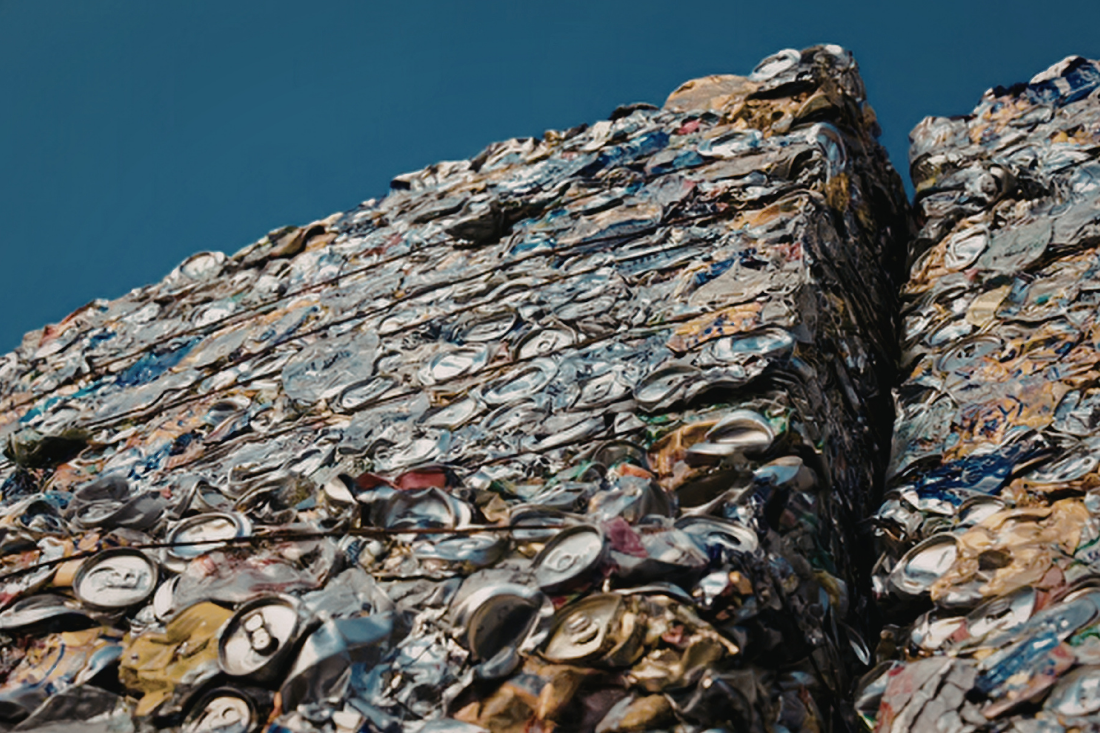
Sustainability plays an increasingly important role in material selection, and aluminum profile stands out here as well. Because aluminum can be recycled almost infinitely without losing its mechanical properties, aluminum profile can be fully recovered at the end of its service life. Melting recycled aluminum requires only about five percent of the energy needed for primary production from bauxite. More and more aluminum profile manufacturers are therefore turning to alloys with a high recycled content to reduce their products' carbon footprint without compromising on quality or strength.
Maintenance and Durability of Aluminum Profile
Another advantage of aluminum profile is its low maintenance requirement. Unlike steel, aluminum profile does not need active corrosion protection such as regular repainting, since a protective oxide layer forms naturally on its surface. Anodized or powder-coated aluminum profile is additionally protected against scratches, UV exposure, and chemical influences, making it especially suitable for outdoor use. In practice, simple cleaning with water and a mild detergent is usually enough to keep aluminum profile looking and performing perfectly for decades.
Frequently Asked Questions
How long does aluminum profile last?
With proper fabrication and the right surface treatment, aluminum profile can easily remain in service for several decades without significant loss of structural integrity.
Is aluminum profile more expensive than steel profile?
The material price per kilogram is often higher, but thanks to lower weight, reduced transport costs, and the absence of corrosion protection requirements, aluminum profile is frequently more economical over its full life cycle.
Can aluminum profile be recycled?
Yes, aluminum is nearly 100% recyclable without any loss of quality, making aluminum profile a genuinely sustainable material choice.
What surface finishes are available for aluminum profile?
Common processes include anodizing, powder coating, and mechanical brushing or polishing, each offering different visual and functional properties.
Which alloys are most commonly used for aluminum profile?
Most applications use 6000-series alloys such as 6060 or 6063, which offer a well-balanced combination of strength, formability, and corrosion resistance, making them ideal for extrusion.
Conclusion
From the facade of a modern office building to the housing of a smartphone, from the support structure of a solar farm to furniture design, aluminum profile has become an integral part of today's industrial and construction landscape. Its combination of light weight, high strength, corrosion resistance, and design flexibility makes aluminum profile the material of choice for engineers, architects, and product designers alike. When looking for a reliable aluminum profile partner, it pays to prioritize experience, precision, and a broad range of alloys and finishes.