Aluminum extrusion is the core manufacturing process behind nearly every aluminum profile we encounter in windows, facades, furniture, or machinery. But what exactly happens during aluminum extrusion, and why is this process so well suited to producing aluminum profile? In this article, we walk through the entire process step by step.
What Is Aluminum Extrusion?
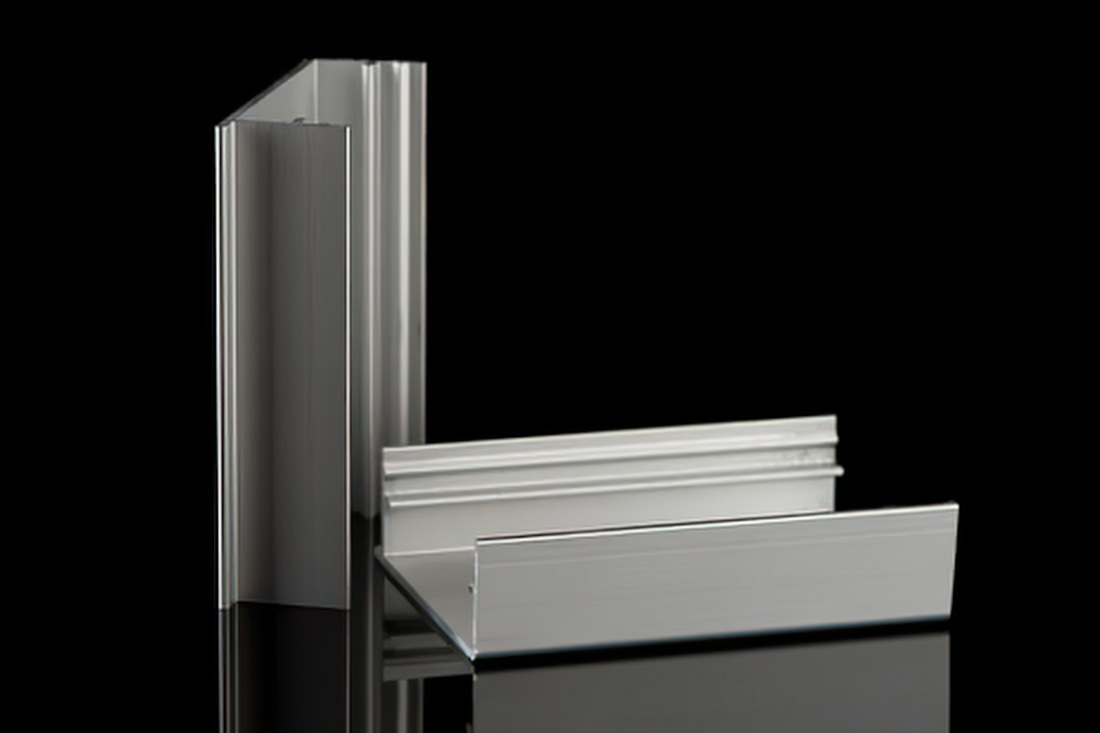
In extrusion, a cylindrical aluminum billet is heated and pushed under enormous pressure through a die with a specific opening shape. The aluminum flows through the opening like a viscous mass and takes on exactly the cross-sectional shape of the die. This produces a continuous aluminum profile with a constant cross-section along its entire length — from simple round bars to highly complex multi-chamber profiles with integrated sealing grooves and cavities.
The Aluminum Extrusion Process Step by Step
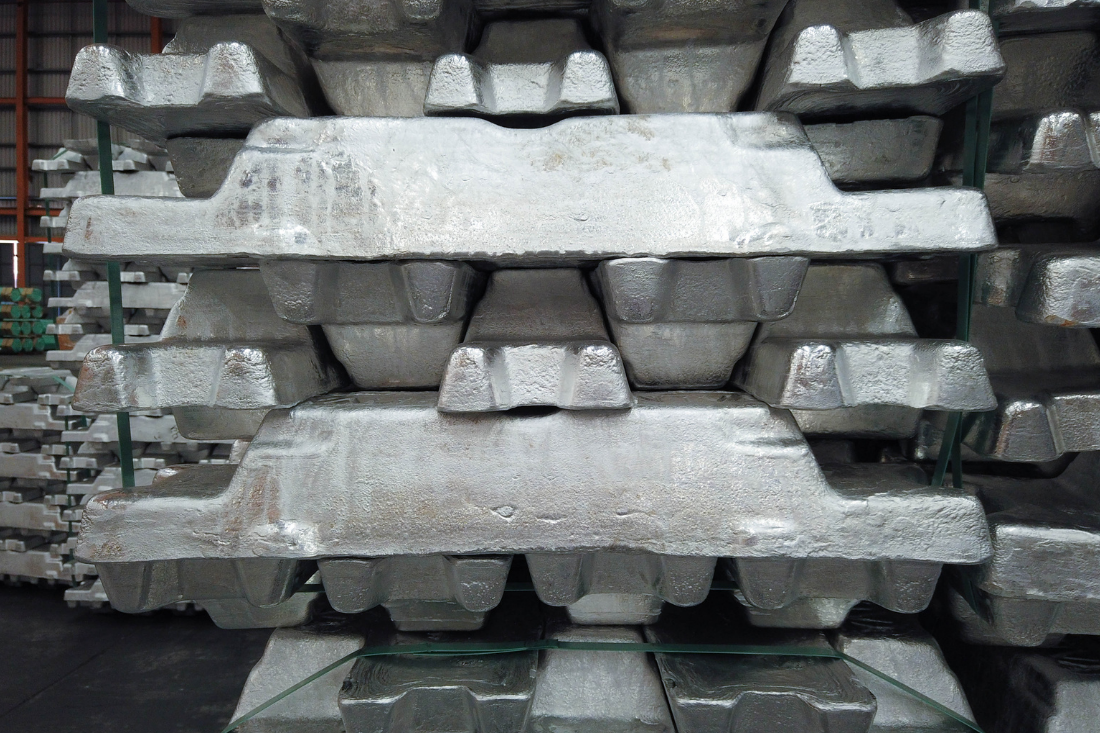
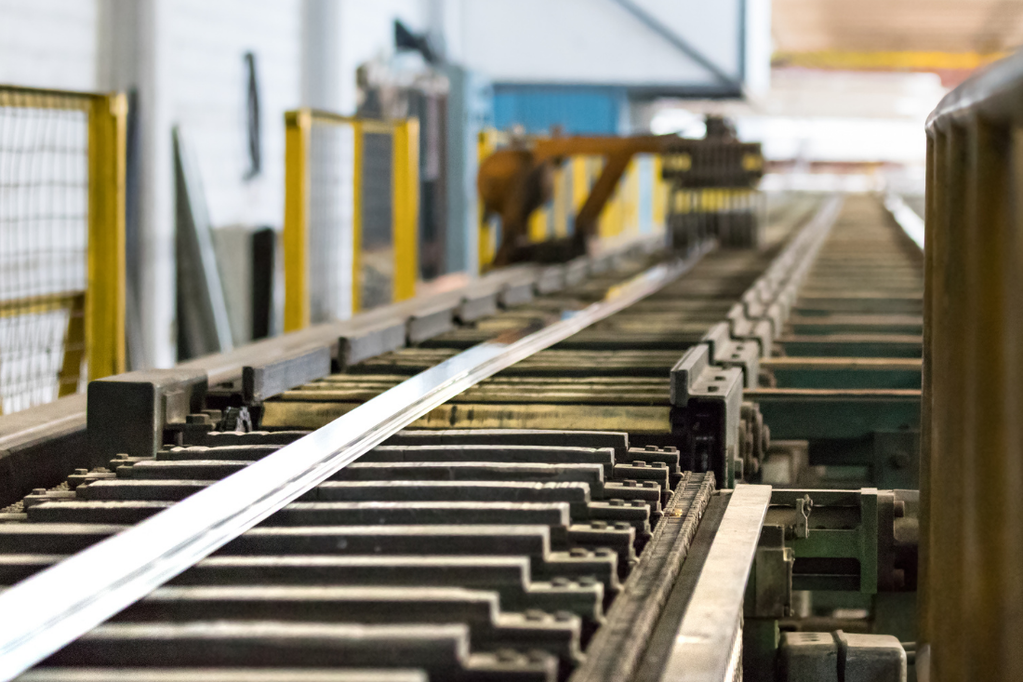
The first step is heating the aluminum billet to a temperature of roughly 450 to 500 degrees Celsius, at which the material becomes malleable but not liquid. The heated billet is then loaded into the container of the extrusion press. A hydraulic ram forces the material through the die with several thousand tons of pressure. The emerging aluminum profile is cooled on a run-out table, then stretched to relieve internal stresses and ensure straightness, and finally cut to the required length.
Which Alloys Are Used in Extrusion?
Not every aluminum alloy extrudes equally well. Most applications rely on 6000-series alloys such as 6060 or 6063, since they deform easily at elevated temperatures while offering a good balance of strength and corrosion resistance. For higher-load aluminum profile applications, such as automotive or machine building, manufacturers often choose higher-strength alloys from the 6000 or even 7000 series.
Heat Treatment and Aging
Immediately after extrusion, aluminum profile typically undergoes artificial aging, also called heat treatment. During this process, the profile is held at a specific temperature for several hours, allowing fine precipitates to form within the metal's structure that significantly increase the strength of the aluminum profile. Depending on the desired hardness, the result is labeled with standardized designations such as T5 or T6, which indicate the mechanical properties of the aluminum profile.
Surface Finishing After Extrusion
After extrusion and heat treatment, aluminum profile often undergoes an additional surface finishing step. In anodizing, the natural oxide layer of the aluminum profile is electrochemically reinforced, producing an especially durable, often colored surface. In powder coating, a layer of paint is applied electrostatically and then cured in an oven, allowing for a wide range of colors. Both processes improve not only the appearance but also the resistance of the aluminum profile to weathering and mechanical wear.
Advantages of the Extrusion Process
The great advantage of extrusion lies in its design freedom: an aluminum profile can be engineered with integrated cable channels, sealing grooves, reinforcing ribs, or screw ports, significantly reducing assembly time and material use in the final application. The process is also highly material-efficient, since almost no scrap is generated, and it scales easily from small custom profiles to large production runs for the construction industry.
Quality Control for Aluminum Profile
A high-quality aluminum profile requires consistent quality control throughout the entire extrusion process. This includes checking dimensional tolerances, surface quality, and mechanical properties after heat treatment. Reputable aluminum profile manufacturers also perform regular alloy analyses and document every batch to ensure consistent quality and full traceability.
Common Extrusion Defects and How to Prevent Them
Despite decades of industry experience, defects can still occur when extruding aluminum profile — surface cracking from excessive press temperatures, dimensional deviations from die wear, or warping caused by uneven cooling. Experienced manufacturers address these risks through precise process monitoring, regular die maintenance, and continuous temperature control along the entire production line, ensuring that every aluminum profile reliably meets its required dimensional and quality tolerances.
From Raw Profile to Finished Component
After extrusion, heat treatment, and surface finishing, an aluminum profile is not necessarily ready for immediate use. Additional processing steps often follow, such as cutting to final length, CNC machining of holes and cutouts, punching, or fitting seals and connecting elements. Only after this further processing does the raw aluminum profile become an installation-ready component precisely tailored to the requirements of windows, machinery, or vehicle parts.
Sustainability in Aluminum Extrusion
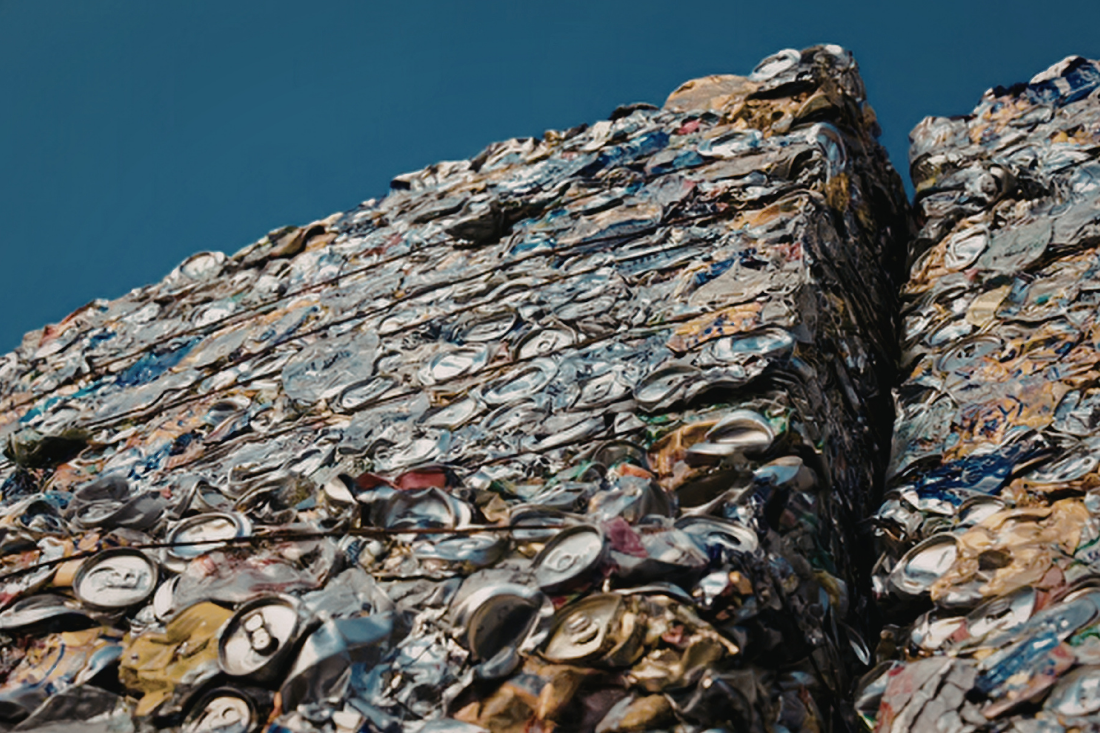
Sustainability is playing an increasingly important role in the extrusion process itself. Modern press facilities use efficient furnaces and heat-recovery systems that noticeably reduce energy consumption per kilogram of aluminum profile produced. Because production offcuts and shavings from the extrusion process can be almost completely recycled, very little waste is generated when manufacturing aluminum profile. Combined with a high share of recycled input material, this can significantly reduce the carbon footprint of an aluminum profile.
Choosing the Right Extrusion Manufacturer
When selecting a manufacturer for your aluminum profile project, it's important to evaluate not just price but also press capacity, die design expertise, quality control processes, and lead times. An experienced aluminum profile manufacturer provides engineering support at the design stage, helping ensure the profile is both manufacturable and optimally suited to its final application — a collaboration that can significantly optimize both cost and delivery time.
Frequently Asked Questions
How hot does aluminum get during extrusion?
The aluminum billet is typically heated to between 450 and 500 degrees Celsius before being pushed through the die.
What cross-sectional shapes are possible with aluminum profile?
Almost any geometry can be achieved, from simple solid profiles to hollow profiles and highly complex custom profiles with multiple functional zones.
What does the T6 designation mean for an aluminum profile?
T6 indicates a heat-treatment condition in which the aluminum profile has been solution heat-treated and then artificially aged, resulting in high strength.
How long does it take to manufacture an aluminum profile?
The extrusion process itself takes only a few minutes depending on profile length, while the complete process chain, including heat treatment and surface finishing, can take several days.
Can an aluminum profile be produced in any length?
The maximum length of an aluminum profile depends on the extrusion press used; many modern facilities allow press lengths of twenty meters or more, which are then cut to size as needed.
What extrusion force is required for aluminum profile production?
Depending on profile size and alloy, modern extrusion presses typically apply between 1,000 and 15,000 tons of force, with larger and more complex aluminum profiles requiring more powerful machinery.
Conclusion
Aluminum extrusion is a highly refined yet remarkably flexible manufacturing process that forms the foundation for the enormous variety of aluminum profile found today in construction, industry, and everyday life. From material selection and press temperature to final surface finishing, every step influences the quality of the finished aluminum profile. Anyone in need of a custom aluminum profile benefits from working with a manufacturer that combines strong process expertise with modern press technology.