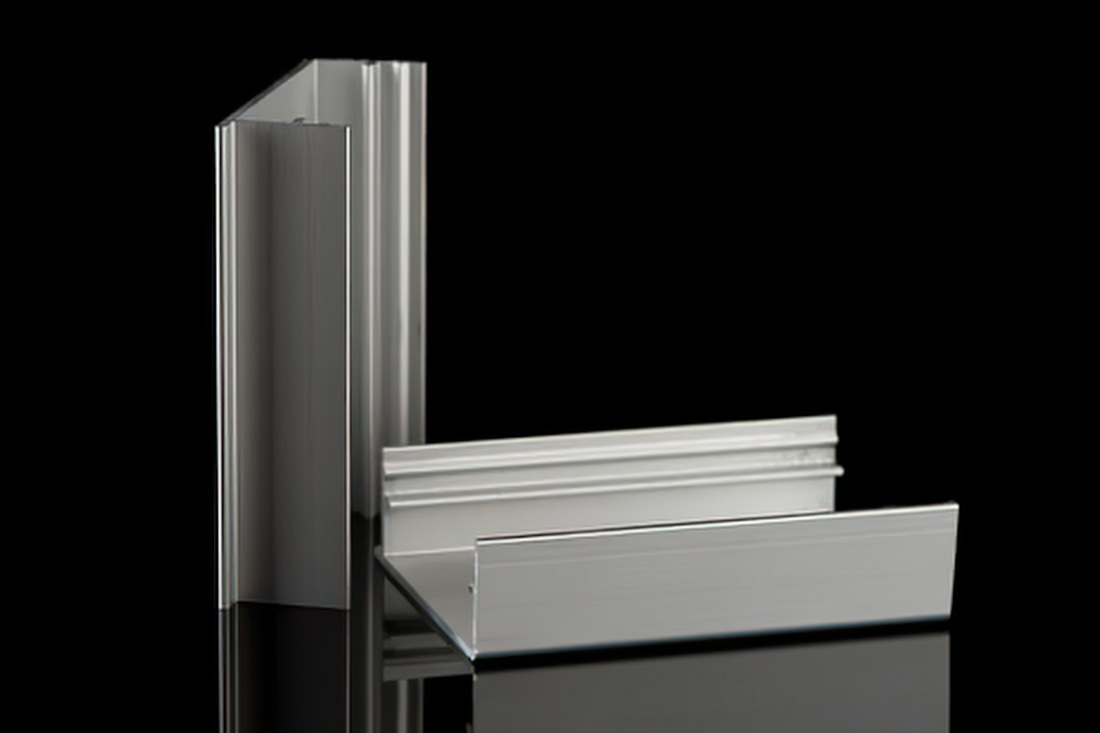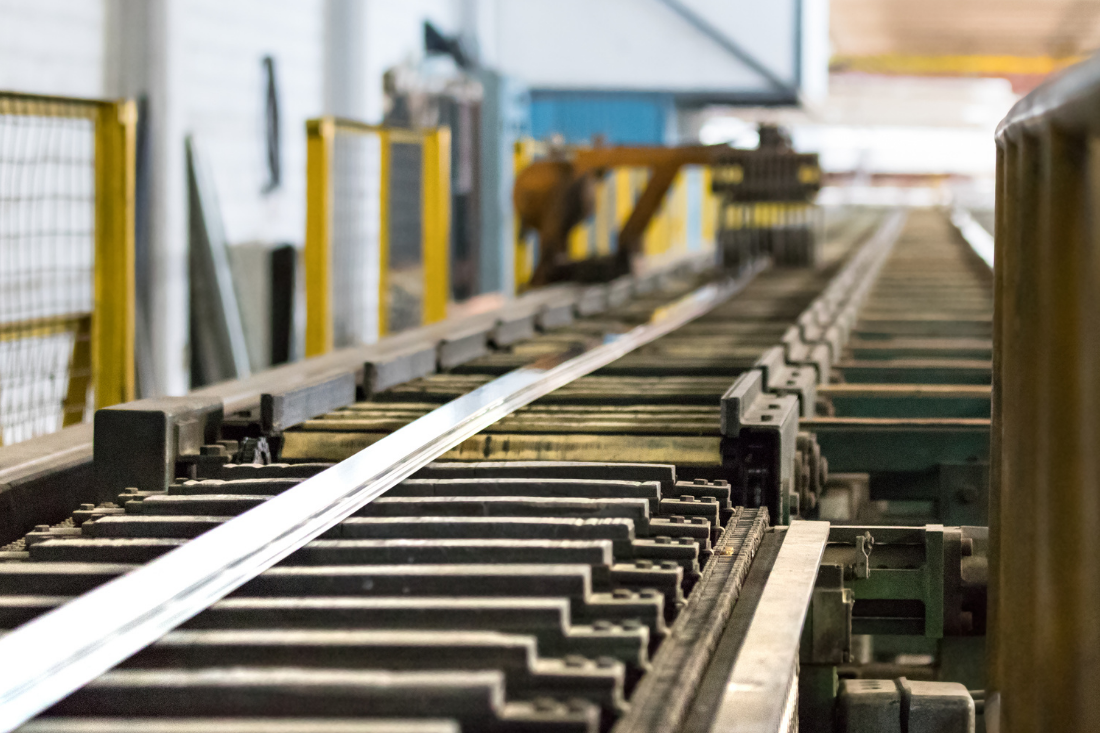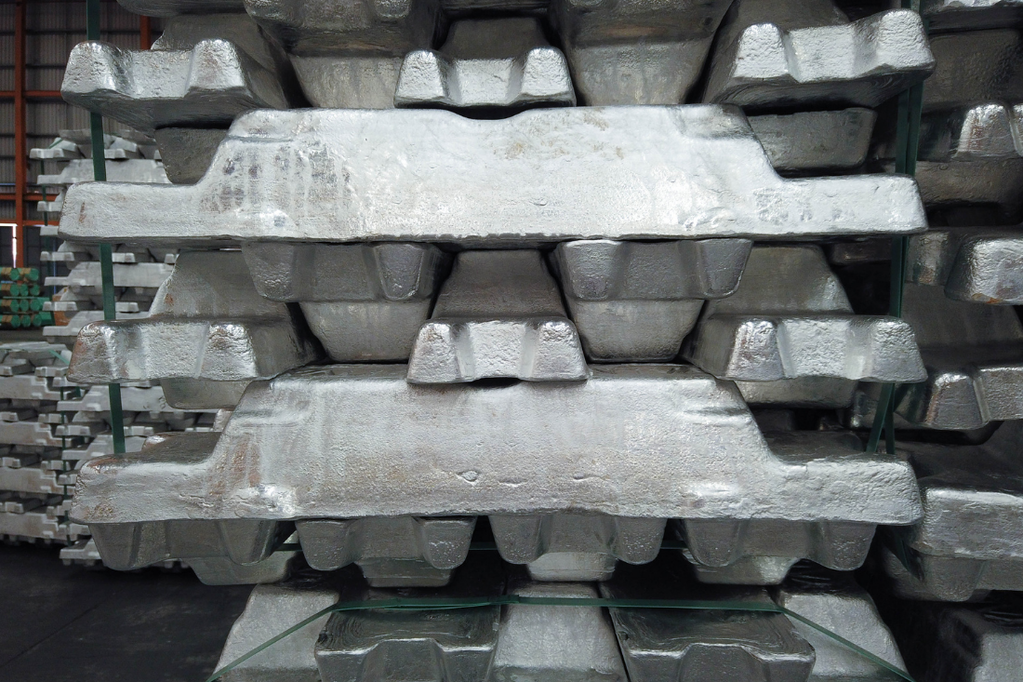
When people think of heavy industry, steel is usually the first material that comes to mind. Yet aluminum profile has firmly established itself in this demanding environment as well. Thanks to its low weight combined with high strength, corrosion resistance, and suitability for extreme operating conditions, aluminum profile is now used in mining, power plants, heavy machinery manufacturing, and many other industrial heavy-duty applications. This article explores exactly where and why aluminum profile is used in heavy industry.
Why Aluminum Profile in Heavy Industry?
In heavy industry, every kilogram matters: less weight means lower energy consumption, easier handling, and often lower operating costs over the lifetime of a facility. Aluminum profile offers sufficient mechanical strength for many applications at just one-third the weight of steel — with significantly better corrosion resistance. Especially in environments with high humidity, aggressive chemicals, or constant weather exposure, avoiding the extensive corrosion protection that steel structures require pays off substantially.
Aluminum Profile in Mining and Raw Material Extraction
In mining, conveyor systems, transfer stations, and belt covers are frequently exposed to extreme wear and aggressive environmental conditions. Aluminum profile is used here for protective cladding, walkways, railings, and modular maintenance platforms, since it is easy to transport, simple to assemble on site, and yet highly resistant to dust, moisture, and chemical residue. In mobile open-pit mining equipment, the low weight of aluminum profile also provides a significant logistical advantage.
Aluminum Profile in the Steel and Metal Industry
Paradoxically, aluminum profile is also widely used within the steel industry itself — for maintenance platforms, protective grating, cable trays, and climate control systems in steel mills. Since these areas are often exposed to high ambient temperatures rather than the process itself, aluminum profile serves as an excellent lightweight, durable alternative to traditional steel structures that would require regular maintenance and rust protection.
Aluminum Profile in Power Plants and Energy Facilities
Power plants, whether conventional or renewable, require numerous auxiliary structures such as cable trays, cooling tower cladding, maintenance walkways, and protective enclosures for sensitive instrumentation. Aluminum profile is preferred here because it resists corrosion from cooling water and chemicals while maintaining structural integrity for decades without extensive maintenance. In substations, aluminum profile is also used for support structures of electrical equipment, since aluminum offers additional electrically favorable properties.
Aluminum Profile in Heavy Machinery Manufacturing
In heavy machinery manufacturing — such as construction equipment, agricultural machinery, or industrial production systems — aluminum profile is used for machine cladding, protective enclosures, control panels, and frame structures for auxiliary units. The modular design principle of aluminum profile systems allows engineers to quickly adapt or expand machine components without extensive welding work, offering a substantial time and cost advantage in the series production of heavy machinery.
Aluminum Profile in the Chemical Industry
The chemical industry often features aggressive, corrosive environments that many materials cannot withstand long-term. Thanks to its natural oxide layer and the option of additional chemical-resistant coatings, aluminum profile provides a reliable solution for pipe supports, walkways, protective grating, and enclosures for process control equipment in chemical plants. This significantly reduces downtime caused by corrosion damage and noticeably lowers maintenance costs.
Aluminum Profile in Shipbuilding and Offshore Industries
Aluminum profile is also widely used in shipbuilding and the offshore industry, where salty sea air and moisture are especially aggressive toward materials. Superstructures, walkways, railings, and equipment supports on ships and offshore platforms are frequently made from aluminum profile, since it withstands the maritime climate without extensive corrosion protection while also reducing the overall weight of the structure — an important factor for vessel stability and fuel consumption.
Advantages of Aluminum Profile Under Extreme Industrial Conditions
In summary, aluminum profile excels in heavy industry through a combination of low weight, high corrosion resistance, easy weld-free assembly, and low maintenance requirements. These characteristics often lead to significantly lower total operating costs over a facility's lifetime, even when the initial material cost per kilogram is higher than steel.
Limitations of Aluminum Profile in Heavy Industry
Despite all its advantages, aluminum profile is not suitable for every application. Under extremely high static loads or very high operating temperatures, such as those found near blast furnaces, steel often remains the better choice due to its higher strength and temperature resistance. A careful engineering assessment of each specific application is therefore essential to determine where aluminum profile represents the most economically and technically sound solution.
Aluminum Profile in the Automation of Heavy Industrial Facilities
As industrial processes become increasingly automated, the targeted use of aluminum profile in robotics and automation cells is also gaining importance. Protective fencing, sensor mounts, and cable routing systems around automated heavy-duty facilities are increasingly built from aluminum profile, since configuration changes can be implemented without extensive rebuilding. This significantly shortens downtime during facility modifications and increases the flexibility of modern production lines in heavy industry.
Frequently Asked Questions
Is aluminum profile suitable for outdoor industrial use?
Yes, thanks to its natural oxide layer and optional surface finishing, aluminum profile is highly suitable for permanent outdoor use even under harsh industrial conditions.
Can aluminum profile withstand high mechanical loads?
With the right alloy and wall thickness, aluminum profile can withstand substantial mechanical loads, although steel may still be the more suitable choice for extremely high loads.
Why is aluminum profile used in the chemical industry?
Aluminum profile offers strong natural resistance to many chemicals and can be further protected with specialized coatings, reducing maintenance needs and downtime.
Is aluminum profile more expensive than steel in industrial applications?
The material price per kilogram is usually higher, but lower weight, reduced maintenance, and a longer service life often make aluminum profile more economical over its full lifespan.
Is aluminum profile also used in the oil and gas industry?
Yes, in the oil and gas industry aluminum profile is used for walkways, maintenance platforms, and protective enclosures, since it resists corrosion and can be reliably installed even under harsh offshore conditions.
How long does aluminum profile last under heavy industrial conditions?
With the right alloy selection and appropriate surface finishing, aluminum profile can reliably remain in service for several decades even under demanding industrial conditions.
Conclusion
From mining to power plants to offshore platforms, aluminum profile has proven itself in heavy industry as a strong, durable, and low-maintenance alternative to traditional materials. Wherever weight, corrosion resistance, and fast assembly matter, aluminum profile plays to its full strengths. Companies that invest in aluminum profile for heavy-duty industrial environments benefit from lower life-cycle costs and a robust, future-proof infrastructure.