Few materials combine technical performance and sustainability as convincingly as aluminum. While primary aluminum production is energy-intensive, its nearly unlimited recyclability makes aluminum profile, when viewed across its full life cycle, one of the most sustainable material choices in construction and industry. In this article, we explore how aluminum profile and sustainability are connected, and what role this material plays in the shift toward a more resource-efficient economy.
Why Aluminum and Sustainability Go Together
Aluminum is one of the most abundant elements in the earth's crust, yet it must be extracted from bauxite through an energy-intensive process. This is where the apparent contradiction lies: primary aluminum production is energy-costly, but the finished aluminum profile more than makes up for it over its service life — through low weight that saves transport energy, decades of service without corrosion damage, and near-complete recyclability at the end of its life cycle.
The Carbon Footprint of Primary Aluminum
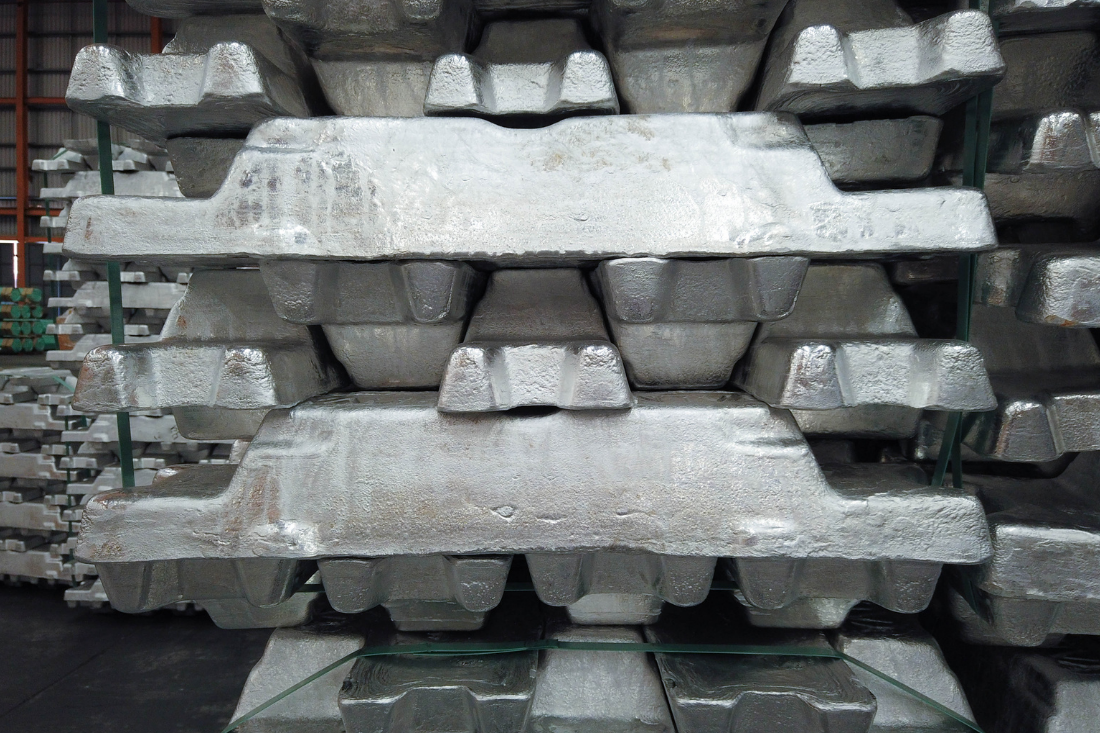
Producing primary aluminum requires substantial electrical energy for electrolysis, which is why aluminum smelters are often located near hydroelectric or other low-emission power sources. More and more aluminum profile manufacturers are turning to so-called "green aluminum," produced with a significantly reduced carbon footprint. By choosing such suppliers, buyers of aluminum profile can directly contribute to reducing the emissions of their construction projects or products.
Recycling: Aluminum's Greatest Strength
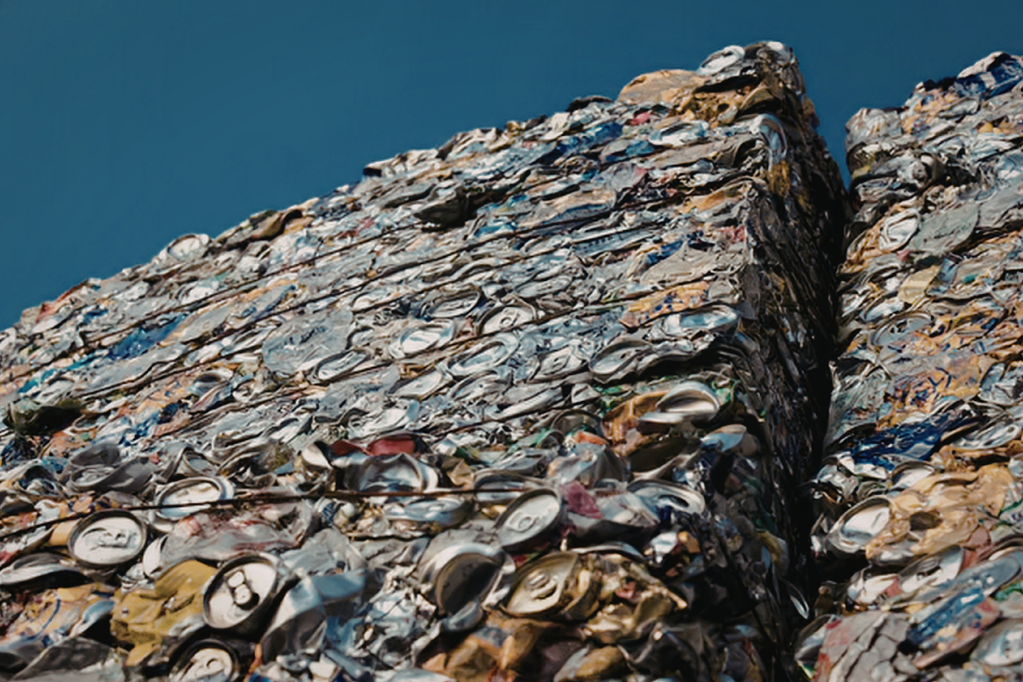
Arguably aluminum's biggest sustainability advantage lies in recycling. Aluminum can be melted down and reused indefinitely without losing quality or mechanical properties. Recycling requires only about five percent of the energy needed for primary production. An aluminum profile installed in a building today can, at the end of its service life — often forty years or more — be fully melted down and turned into a brand-new aluminum profile.
Aluminum Profile Made from Recycled Material
Many modern aluminum profiles already contain a substantial share of recycled material without any compromise to mechanical properties. Through careful alloy control, the secondary aluminum content of an aluminum profile can be significantly increased while strength, surface quality, and corrosion resistance remain fully intact. For building owners and architects pursuing sustainability certifications such as LEED or BREEAM, the recycled content of an aluminum profile is an important decision criterion.
Energy Efficiency Through Aluminum Profile in Buildings
Sustainability doesn't end with material production — aluminum profile also makes an important contribution during use. Thermally broken aluminum profile in window and facade systems significantly reduces a building's energy loss, lowering heating and cooling demand for decades. The long service life and low maintenance requirements of aluminum profile also mean that far fewer resources need to be spent on repairs or replacement over a building's lifetime.
Lightweighting and Sustainability in Transport and Mobility
In the transport sector too, the low weight of aluminum profile directly contributes to sustainability. Every kilogram saved in vehicles, trains, or ships reduces energy consumption over the vehicle's entire service life. In electric vehicles, the reduced weight of aluminum profile has a direct effect on range, making aluminum-based lightweighting an important building block of electric mobility.
Certifications and Proof Points for Sustainable Aluminum Profile
To objectively demonstrate the sustainability of aluminum profile, many manufacturers align with international standards such as the Aluminium Stewardship Initiative (ASI), which certifies responsible extraction, production, and recycling across the entire supply chain. Environmental Product Declarations (EPDs) also provide transparent, verified data on the carbon footprint of a specific aluminum profile, helping planners make informed material decisions.
Circular Economy: From Building Back to Raw Material
A core principle of sustainability is the circular economy, and few building materials embody this principle as consistently as aluminum. When a building is decommissioned after decades, the aluminum profile it contains can be sorted by type and almost completely returned to the material cycle. Unlike many composite materials, this involves no meaningful loss of quality, making aluminum profile a standout example of true cradle-to-cradle design. This is why more and more architects now plan for the future disassembly and recovery of the aluminum profile used in a building already at the design stage.
Sustainable Sourcing as a Competitive Advantage
For companies sourcing aluminum profile, sustainability is increasingly becoming a strategic competitive advantage. Customers, investors, and regulators are asking more frequently about the carbon footprint and recycled content of the materials used. Companies that adopt certified, sustainably produced aluminum profile early not only take an environmentally responsible position but also gain an edge in tenders that increasingly factor sustainability criteria into their evaluation.
The Role of Green Electricity in Sustainable Aluminum Profile
Because the electrolysis process in primary production is extremely energy-intensive, the share of renewable energy in a smelter's electricity mix has a direct impact on the carbon footprint of an aluminum profile. Facilities powered by hydroelectric or solar energy achieve significantly lower emission values. This is why questioning a supplier's energy source is a critical step when purchasing aluminum profile with sustainability goals in mind.
Frequently Asked Questions
How much energy does recycling aluminum save?
Recycling aluminum requires only about five percent of the energy needed for primary production from bauxite.
Does recycled aluminum lose quality?
No, aluminum can be recycled indefinitely without any degradation of its mechanical properties, so an aluminum profile made from recycled material performs just as well as one made from primary material.
What does ASI certification mean for aluminum profile?
ASI certification confirms that an aluminum profile was produced according to recognized sustainability and social standards across the entire supply chain, from bauxite extraction to manufacturing.
How does aluminum profile contribute to building energy efficiency?
Thermally broken aluminum profile in windows and facades significantly reduces heat loss, lowering a building's long-term energy demand for heating and cooling.
Is aluminum profile with a high recycled content more expensive?
Not necessarily — since recycled aluminum is produced with far less energy, many manufacturers offer aluminum profile with high secondary content at prices comparable to, or even lower than, profiles made entirely from primary material.
Is aluminum profile really recycled at close to 100% at the end of its life?
In practice, recycling rates depend on collection and sorting infrastructure, but when properly sorted, aluminum profile can be recovered at very high rates with almost no loss of quality.
Conclusion
Aluminum profile combines technical performance with genuine sustainability potential — from green primary production to near-lossless recycling and energy savings in buildings and transport. Choosing an aluminum profile with a high recycled content and a transparent supply chain today is a material decision that makes economic and environmental sense while contributing to the circular economy for decades to come.